 Fraunhofer Italia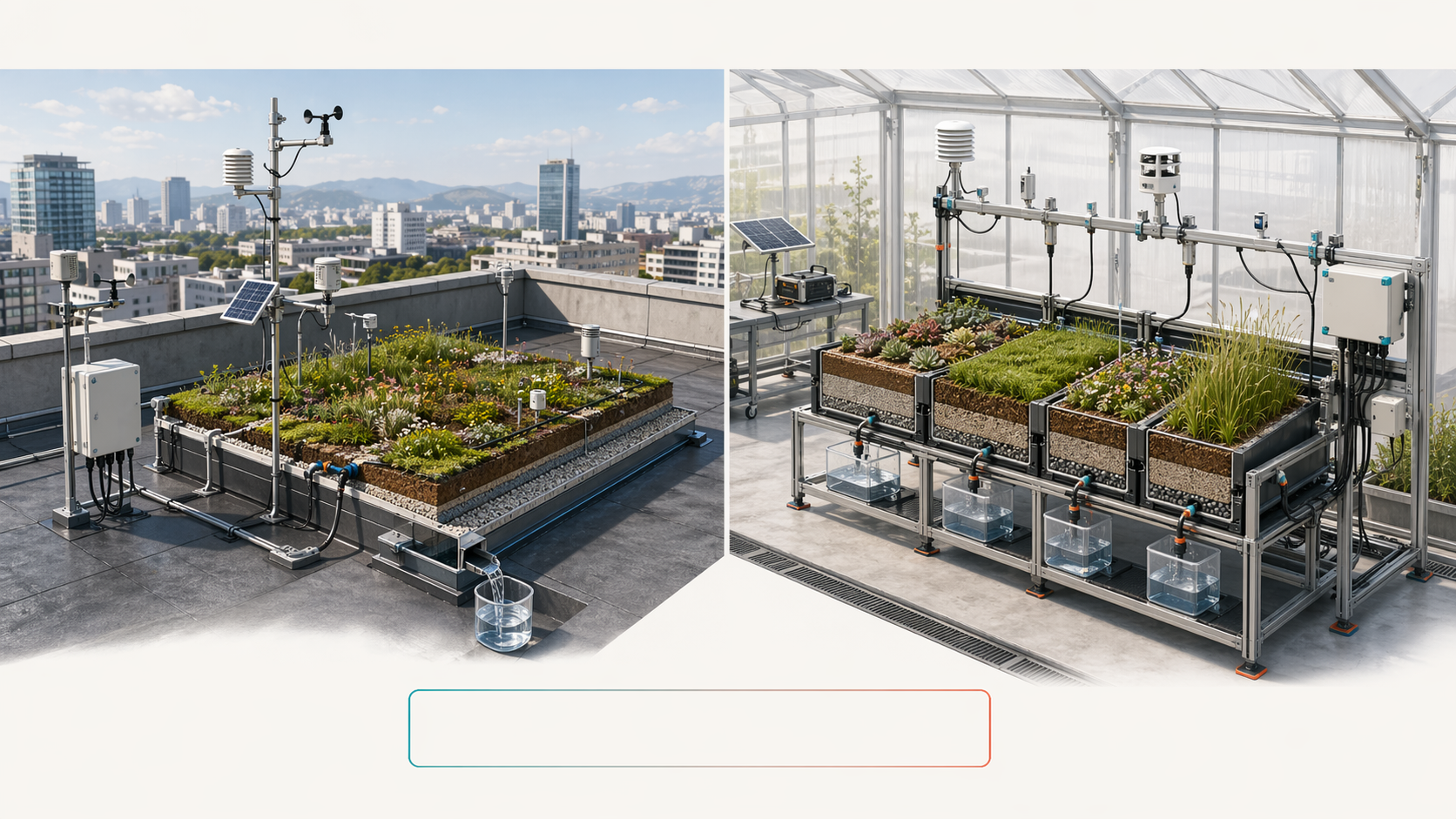

Urban heat islands are an increasing challenge for Alpine cities and urban areas. Dense construction, sealed surfaces and climate change intensify local heat stress and make it necessary to plan cooling strategies with reliable data, models and validation.
HEART - Heat and Evapotranspiration-based Analysis for Resilient Territories - develops an integrated 4D digital twin to support the mitigation of urban heat islands and the strengthening of climate resilience. The project focuses on the role of evapotranspiration, which allows vegetation to reduce local temperatures by releasing water vapour, and connects this process with digital modelling at building and district scale.
The project combines geospatial datasets, photogrammetry, UAV and multispectral surveys, meteorological data, IoT measurements and AI-supported data processing. These inputs are used to describe the urban environment, simulate microclimatic scenarios and evaluate nature-based solutions such as green roofs, urban planting systems and targeted vegetation strategies.
Experimental measurements on green infrastructure and controlled setups will help validate the digital models. The result is a data-based decision-support approach for planners, public authorities and companies that need to compare urban cooling measures, water-management effects and climate-resilience strategies in a transparent and transferable way.
Project details
Name: ERDF 1100 HEART - Heat and Evapotranspiration-based Analysis for Resilient Territories
CUP: B57H25003230007
Project budget: EUR 475,153.79 (of which funded: EUR 388,735.49)
Operational Programme: Regional Programme "Investments for Employment and Growth" ERDF 2021-2027 for the Autonomous Province of Bolzano-Alto Adige.
Partners: Fraunhofer Italia Research Scarl (coordinator), Climagrün GmbH / S.r.l., Photogram GmbH - S.r.l., Open Terra S.r.l.
Duration: 01/2026 - 12/2028